THE ORIGINAL CRAFT
Thousands of
controlled lines.
Nineteenth-century engravers represented landscapes, faces, fabric, architecture and weather entirely through line.
Most plates in the Bible credit two people: the artist whose painting or drawing was copied, and the engraver who cut it into a metal plate for printing. The maps credit their engraver alone. Many views are second-hand in a way that is easy to miss: “drawn by W. L. Leitch from a sketch by Count Leon de Laborde”, or “drawn by Aaron Penley from a sketch by Lieut. Col. McNiven”. A traveller’s sketch became an artist’s drawing, then an engraving, then thousands of printed pages.
The images were designed to print without colour, yet the best of them hold an extraordinary sense of depth, distance and atmosphere.
STEP ONE
Photograph
and prepare.
Each plate is photographed in the book. The photographs are then rotated to the right way up, straightened (often by only a degree or two, because a bound page never lies perfectly flat) and cropped to the plate.
For the engravings catalogue that is all: the engraving itself is not retouched. The full credit lines and titles are kept, because they are the historical record.
STEP TWO
A modern
interpretation.
Selected engravings are then developed into new compositions with digital restoration and AI-assisted imaging, adding colour, atmospheric light and additional detail while keeping the original subject and its historical inspiration.
The result is judged as a new artwork, not an exact restoration. It is checked closely: figures, architecture and lettering are examined, and where an engraving carries text, the text is checked. On The Wise and Foolish Virgins the Gothic inscriptions were compared with the King James text of Matthew 25, and a stray full stop was removed before the work was offered for sale.
These are not historical colour photographs, authentic Victorian colours or exact reconstructions of places. They are new artworks created from genuine nineteenth-century sources.
ORIGINAL AND CONTEMPORARY
Side by side,
work by work.
What each interpretation keeps from its engraving, and what it changes.
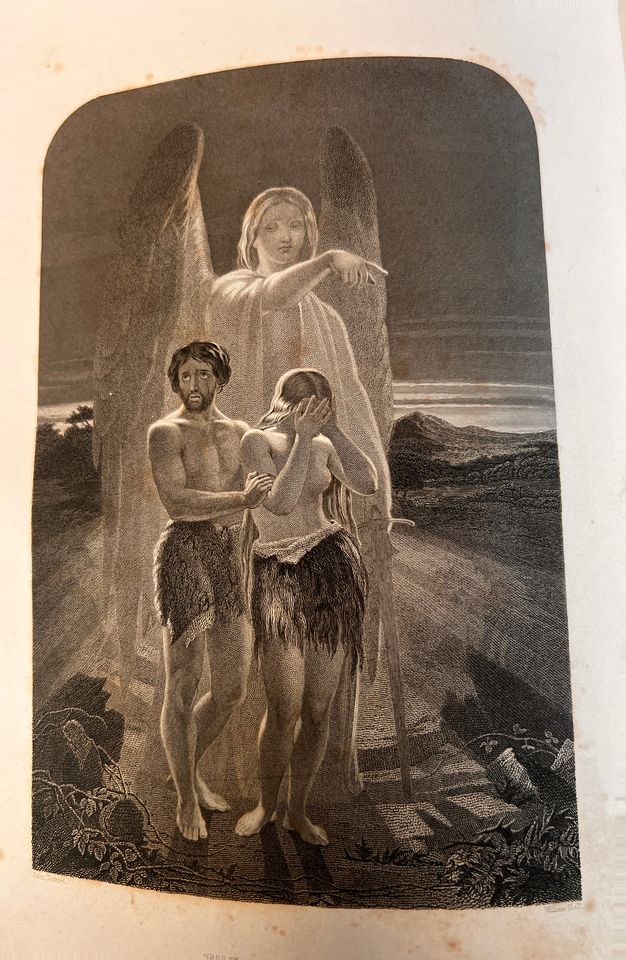
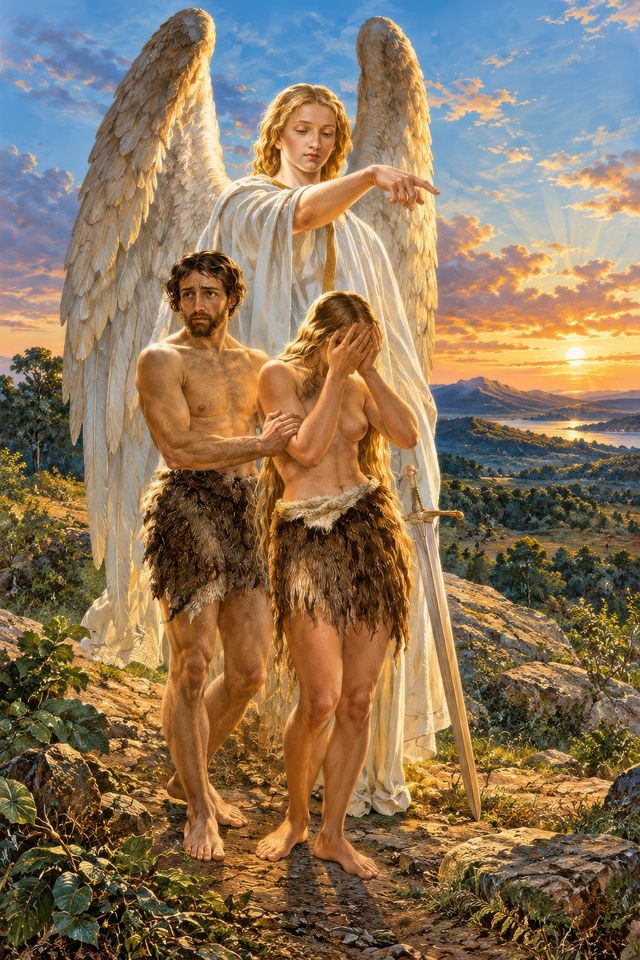
- Kept
- The angel pointing the way, Adam’s arm around Eve, Eve covering her face
- Changed
- A sunset sky, a valley and river behind, full colour
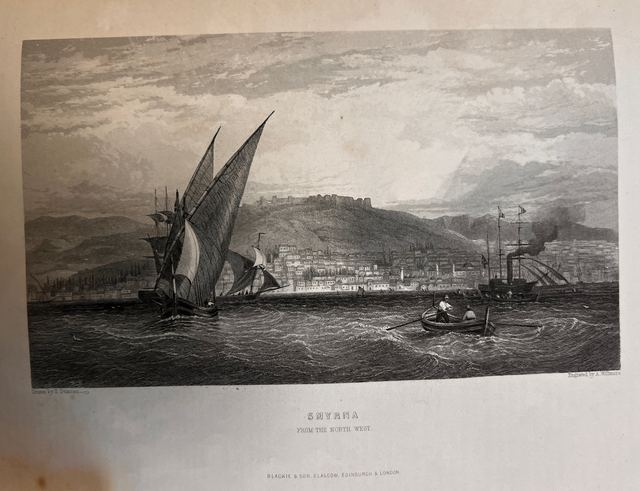
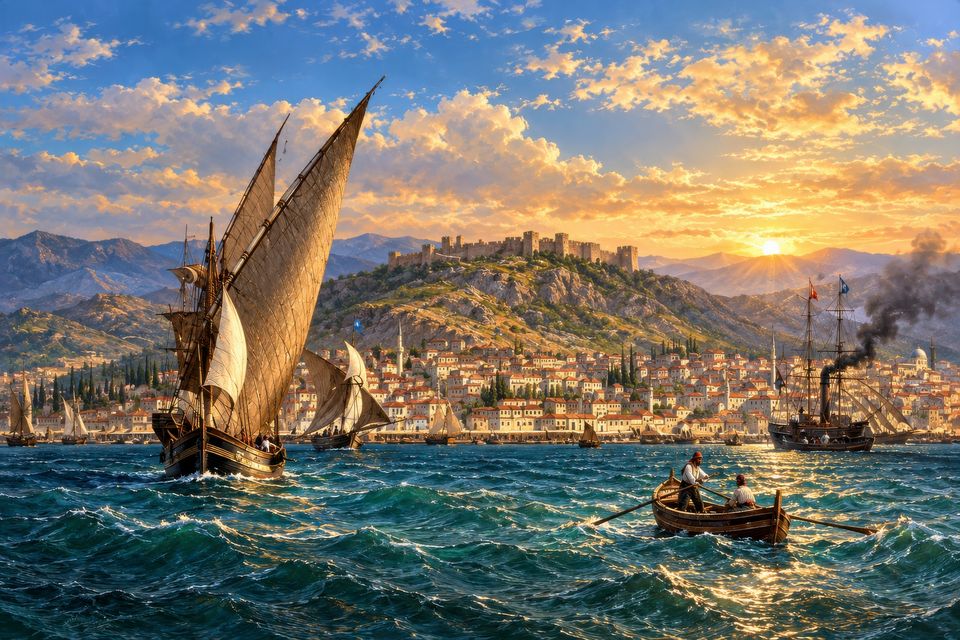
- Kept
- The lateen-rigged ship, the rowing boat, the steamer and the fortified hill
- Changed
- Golden evening light and colour in the sea and the town
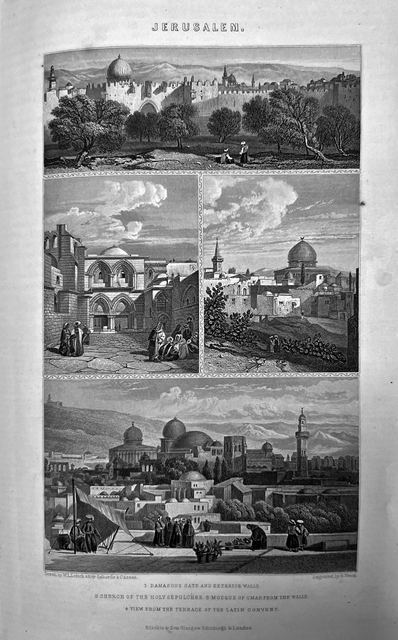
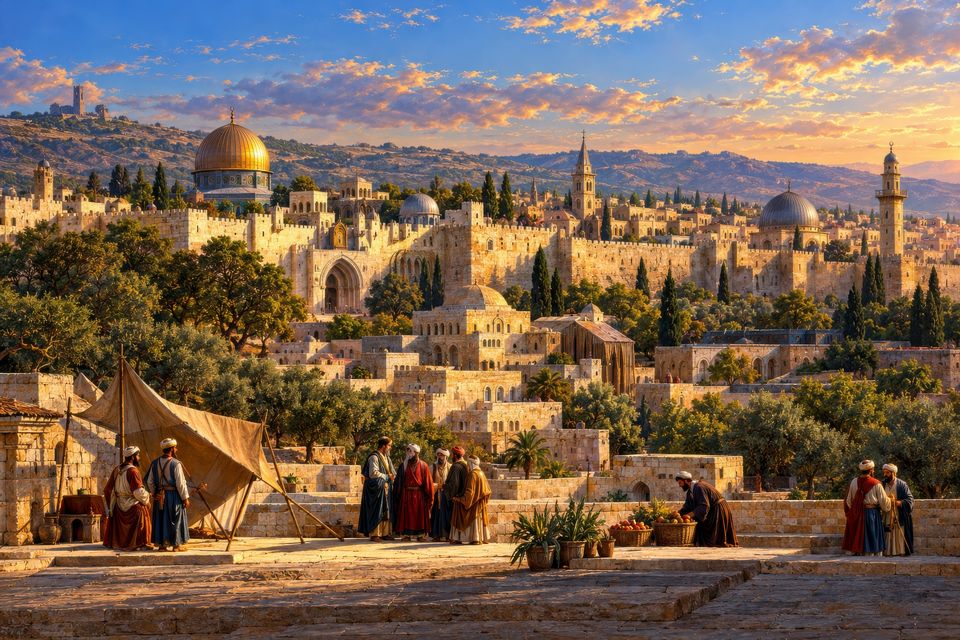
- Kept
- The domes, the minaret, the awning and the figures on the terrace
- Changed
- Evening light, cypress trees and more detail across the city
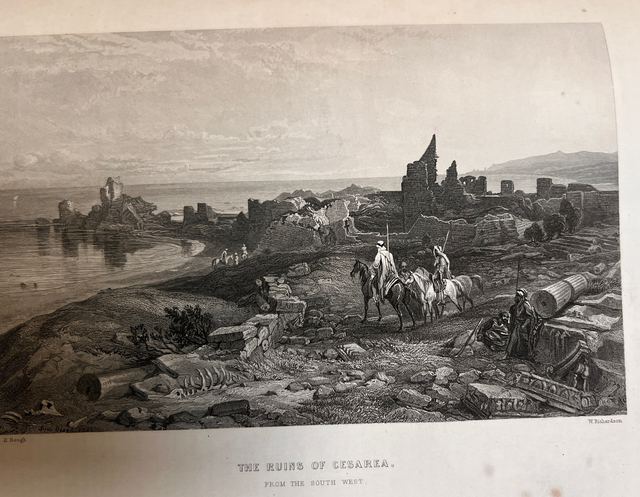
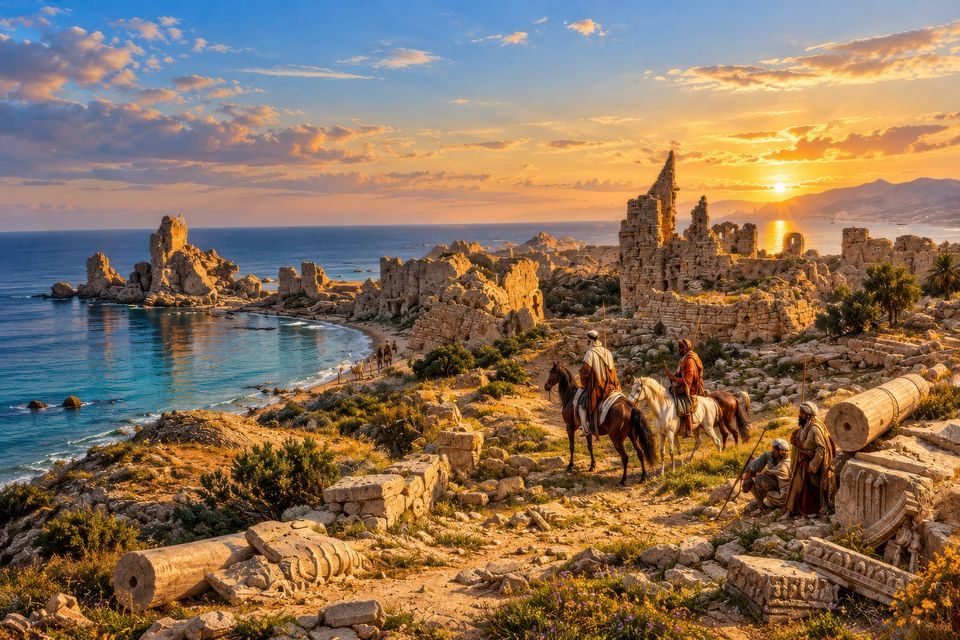
- Kept
- The horsemen, the fallen columns and the ruined walls by the sea
- Changed
- Turquoise water, a low sun and a broader coastline
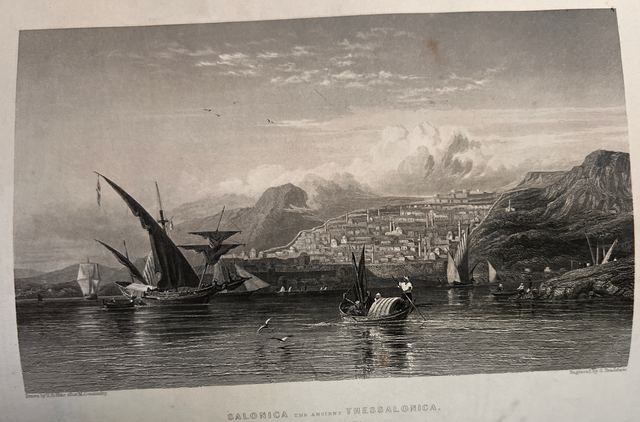
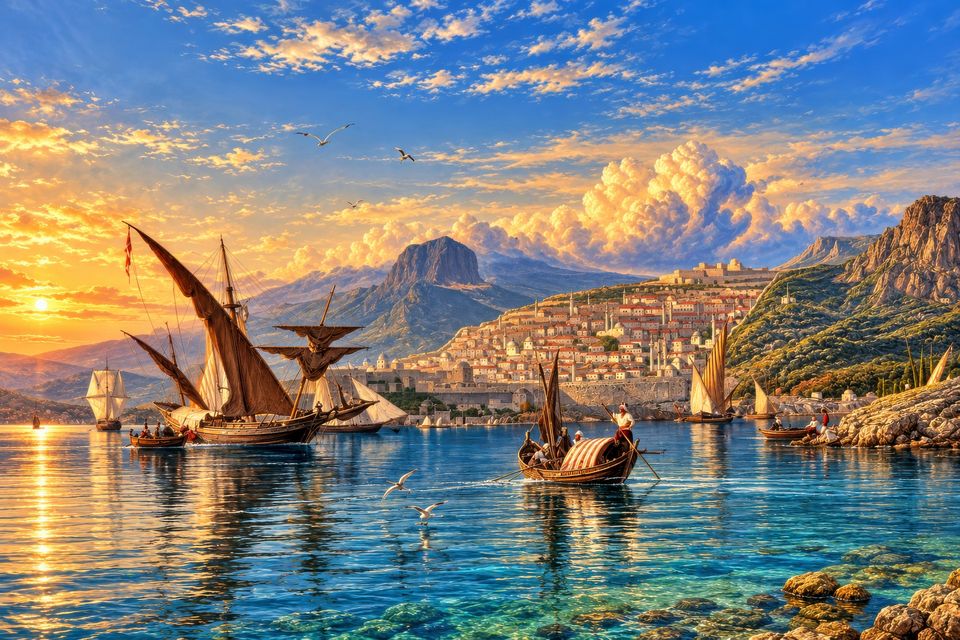
- Kept
- The sailing vessels, the small boat and the city on the hillside
- Changed
- A sunset, clear water and coloured mountains
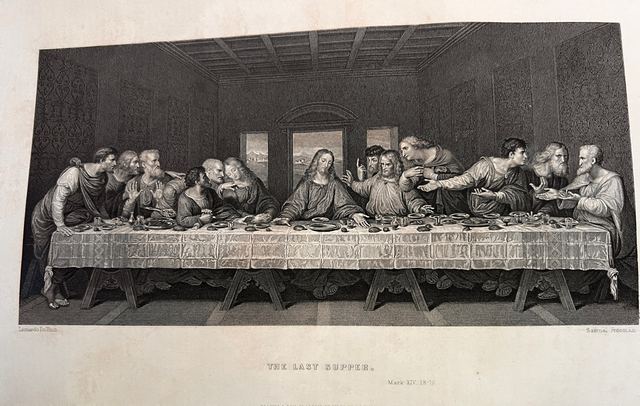
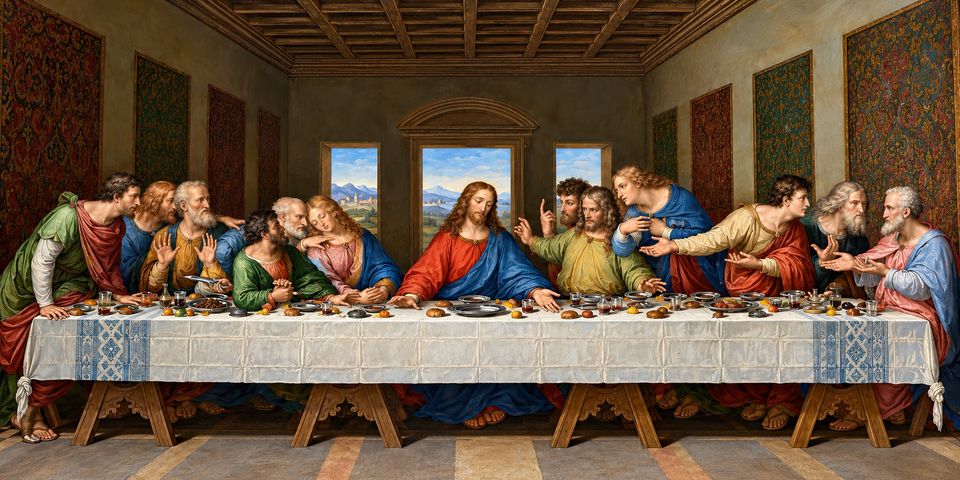
- Kept
- The composition after Leonardo, the long table and the three windows
- Changed
- Coloured robes, a richly detailed hall and a wide 2:1 format
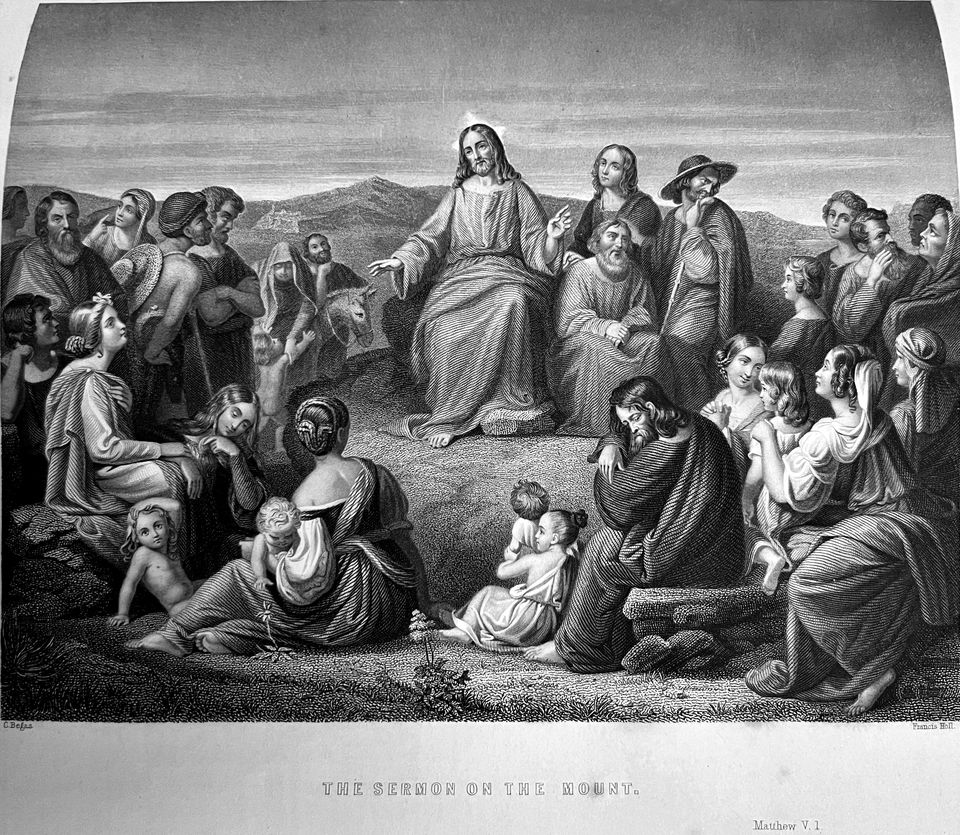
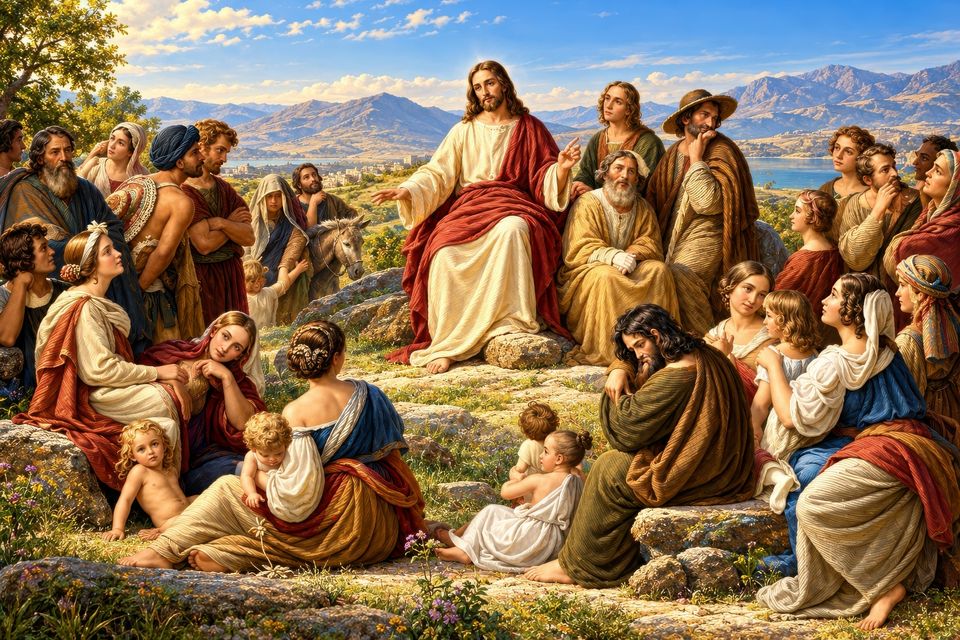
- Kept
- Christ seated among the crowd, with the children in front
- Changed
- A wider landscape format, mountains and a lake, warm afternoon light
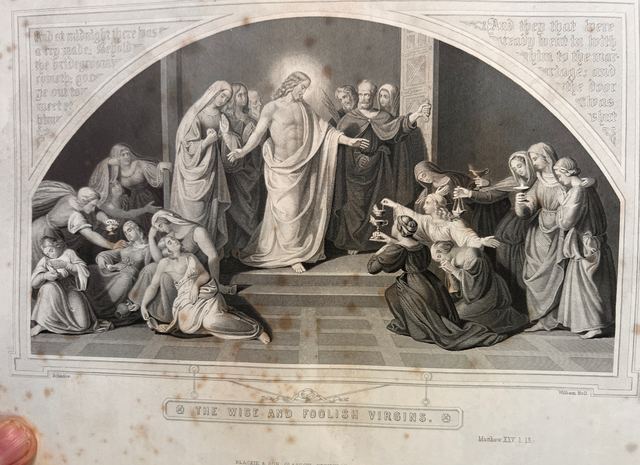
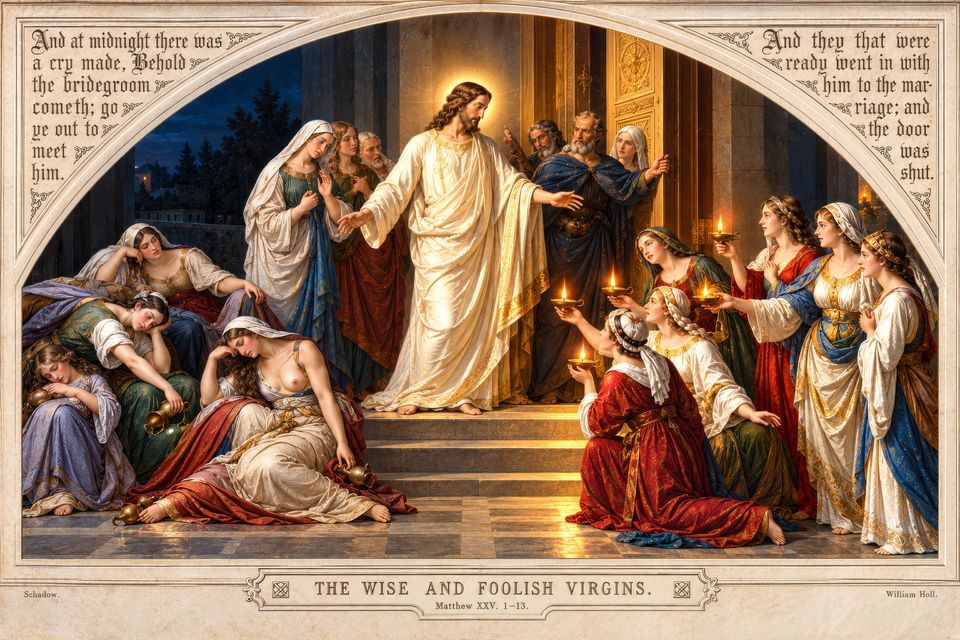
- Kept
- The Gothic arch, the inscriptions and title, Christ at the door
- Changed
- Colour, candlelight and a night sky; the inscriptions checked against the King James text
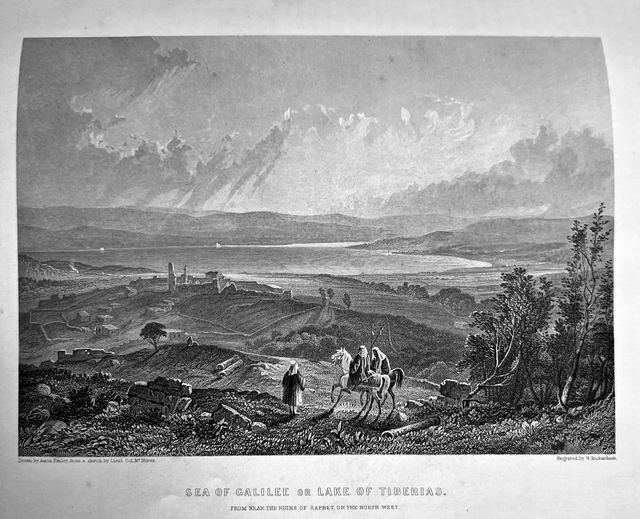
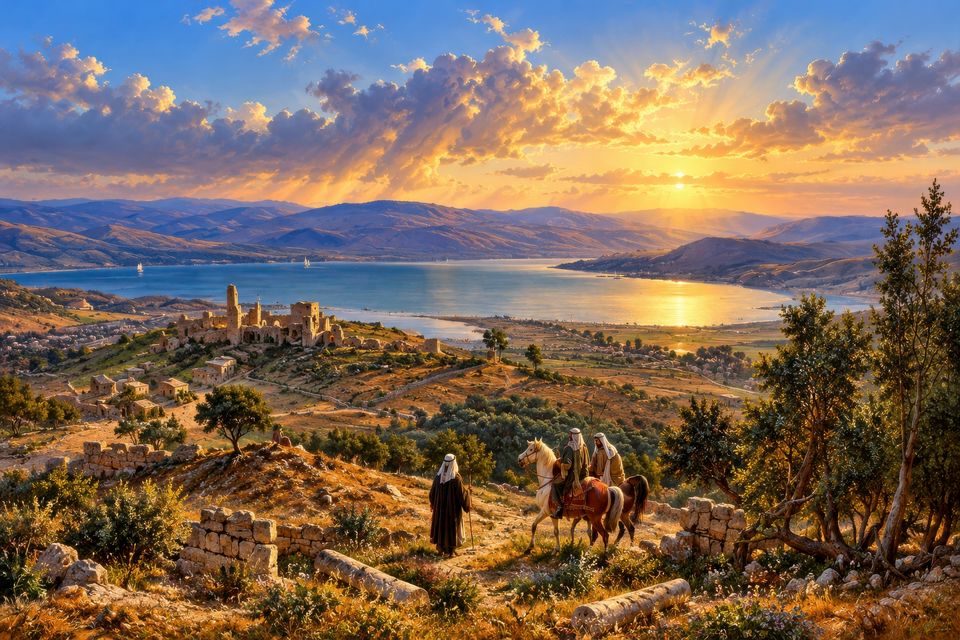
- Kept
- The whole composition: the high viewpoint, the ruined hill town, the walker and two riders, the sails on the lake
- Changed
- A golden sunset, colour in the water and hills, and richer foliage in the foreground
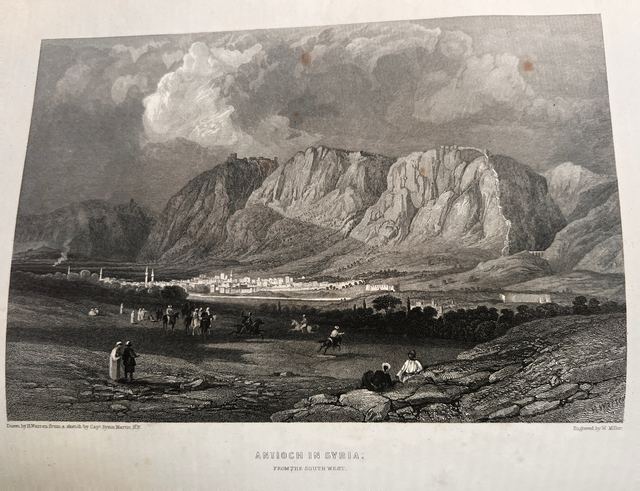
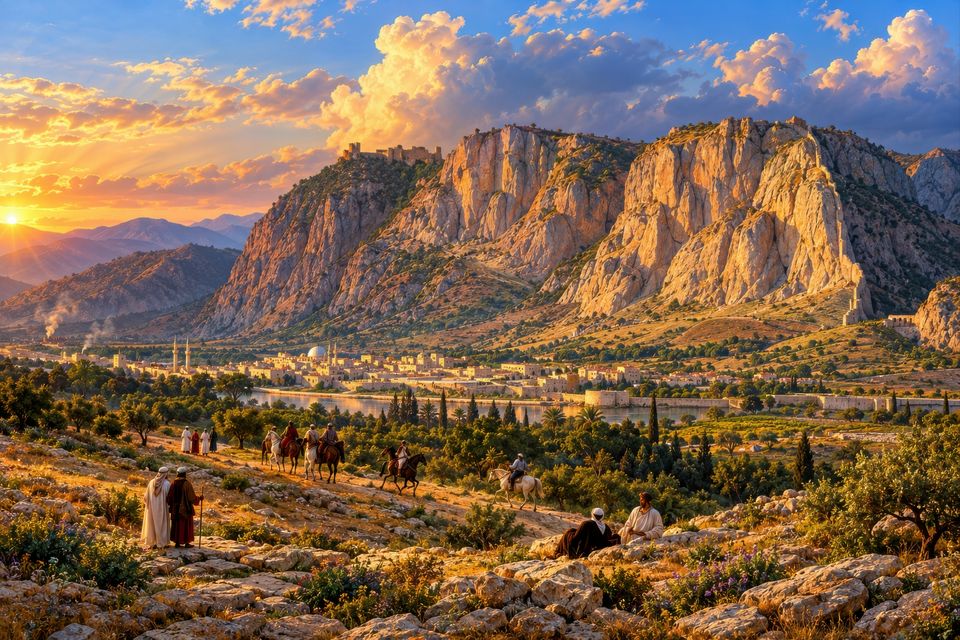
- Kept
- The cliffs, the fortress on the summit, the town and river, the riders and the resting figures
- Changed
- A golden sunset, warm light on the limestone and more detail in the town
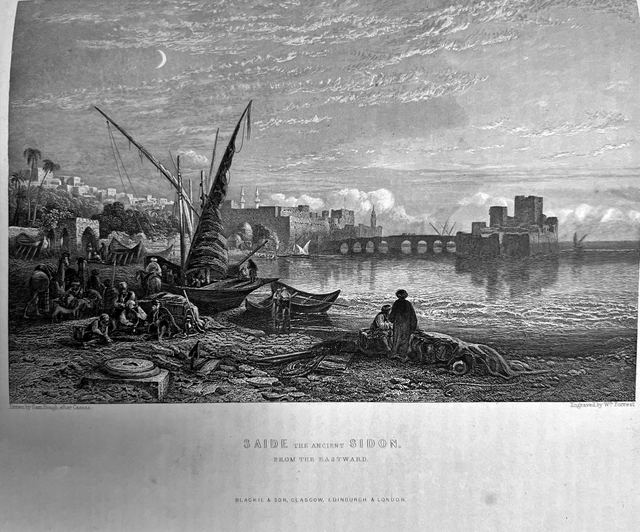
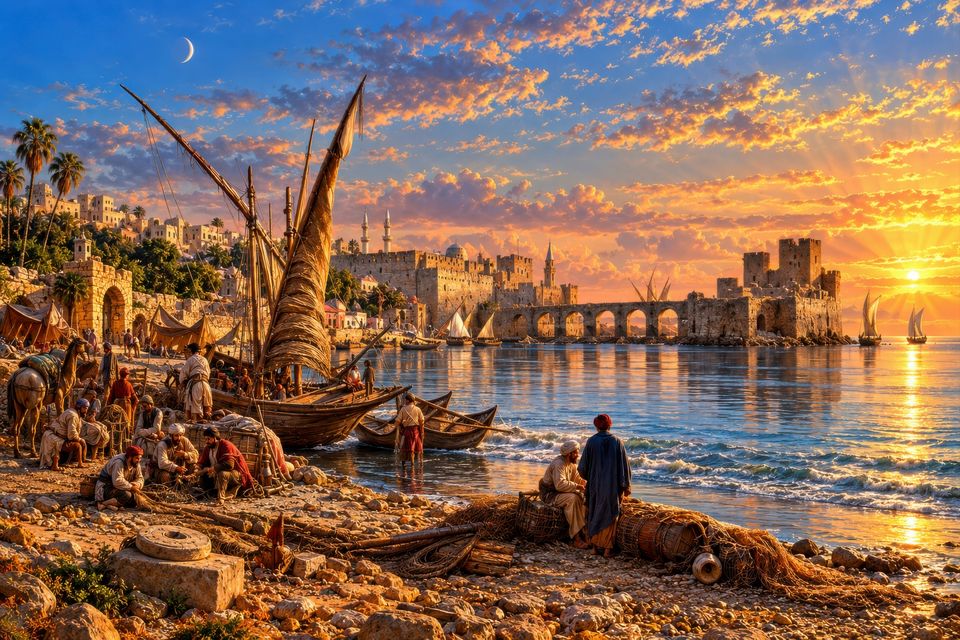
- Kept
- Almost the whole composition: the sea castle and causeway, the lateen-rigged boat, the fishermen with their nets, the palms and the crescent moon
- Changed
- A blazing sunset, colour in the sea and the town, and more detail along the shore
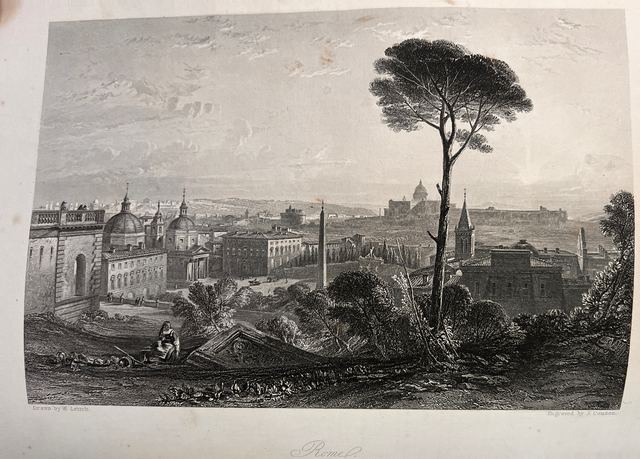
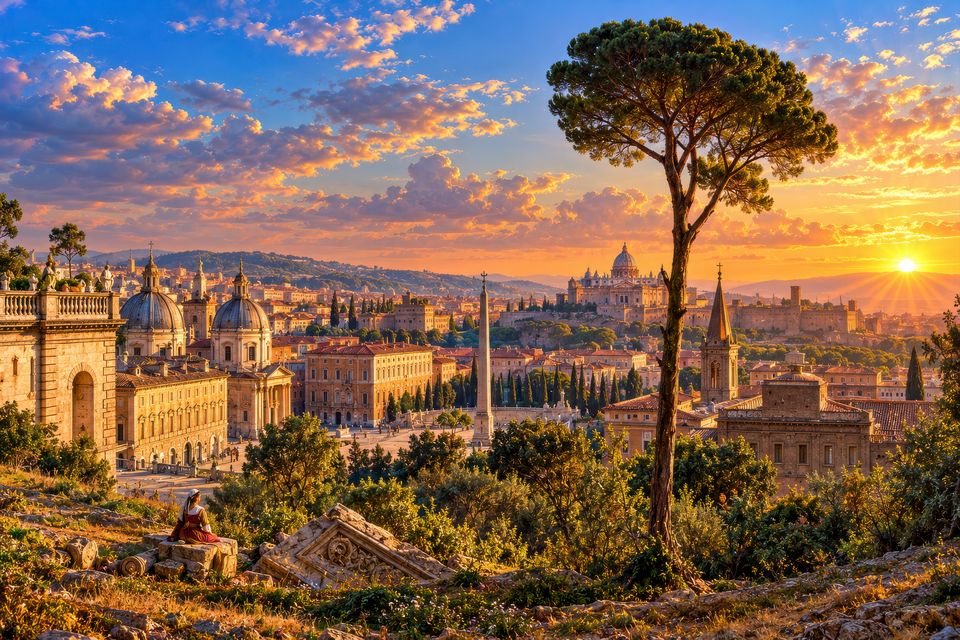
- Kept
- The umbrella pine, the twin domes, the obelisk, the great dome and the woman beside the carved pediment
- Changed
- A sunset sky and warm colour across the palaces and rooftops
STEP THREE
Printed
for the wall.
Finished artworks are printed to order in Australia as large-format canvas, at their own proportions. Portrait scenes, landscapes and wide compositions each have sizes that match their shape, so nothing is cropped to fit a standard frame. The print masters are 4800 pixels on the short edge, so every size is printed at 150 dpi or better.
- Classic 3:2 60 × 40 cm, 90 × 60 cm, 120 × 80 cm (portrait works turned: 40 × 60 cm, 60 × 90 cm, 80 × 120 cm). $295.00 to $795.00.
- Wide 2:1 80 × 40 cm, 100 × 50 cm, 120 × 60 cm. $345.00 to $645.00.
Each comes as gallery wrapped canvas or in a floating frame in black, white, light wood or walnut. Choose an artwork.